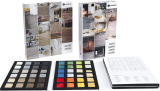
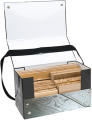

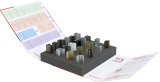
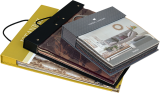
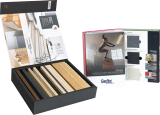
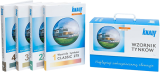
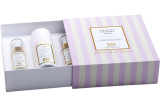


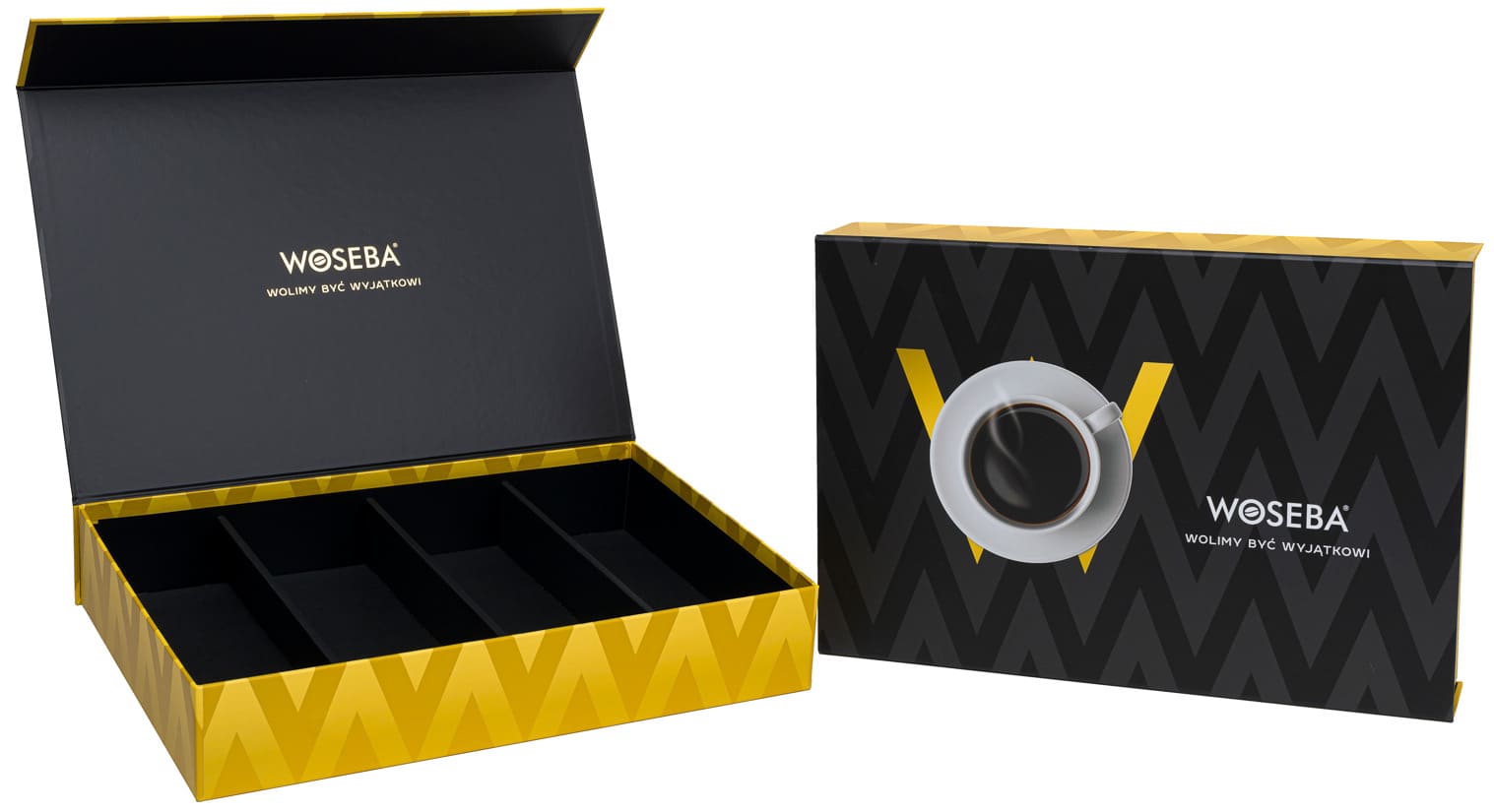




sample books
 packaging
 magnetic boxes
 drawer boxes
 rigid box with lid
 cuffed boxes
 slipcase boxes
 suitcases and chests
 clamshell boxes
 oblique boxes
 round tube boxes
 flat-folding boxes
 folder BOX
 decorative boxes
 chocolate boxes
 cosmetics boxes
 gift boxes
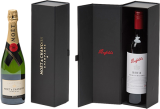 alcohol and wine boxes
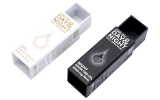 boxes for CBD
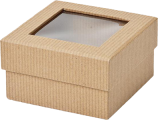 boxes with a window
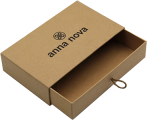 eco friendly boxes
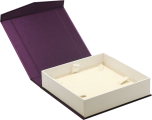 jewellery boxes
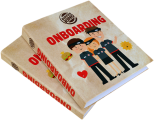 binders
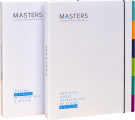 folders
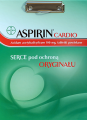 clipboards
 stands
- premium products
 eco products
- other
From design to finished advertising box – what does the entire production process look like step by step?
From design to finished advertising box – what does the entire production process look like step by step?
The customer's first impression begins with... the packaging. A well-designed advertising box increases the value of the product, while a poorly made one discourages purchase. It is worth knowing what the process from design to finished advertising box looks like so that the packaging supports sales and builds the brand.
Why does the quality of an advertising box determine the success of a brand?
The box is now a vehicle for the brand image. The quality of the cardboard, the sharpness of the print, and the precision of the finish determine whether the customer will perceive the product as premium or average. Poor packaging quality can suggest low quality content, even if the product itself is great. On the other hand, a professionally designed advertising box increases trust, distinguishes the brand on the shelf, and facilitates the purchase decision.
What does the first contact look like? Consultation and brief for the advertising box design
The process begins with a conversation with the customer and an analysis of their needs. During the consultation, the objectives of the packaging are determined:
- encouraging impulse purchases,
- protection during transport,
- addition to e-commerce shipments,
- serving as a gift.
The brief is key, as it collects information about the product, target group, sales channel, budget, and technical requirements (dimensions, weight, display method).
Choosing the design of an advertising box – not just aesthetics
Based on the brief, the packaging specialist selects the appropriate design for the advertising box. This is when the decision is made as to whether a flap box, a shaped box, a telescopic box, a box with a lid, a box with a window, or a POS design would be the better solution.
The design must be tailored to the product: its weight, shape, method of use, and transport. Storage issues are also important – whether the boxes are to be delivered flat or pre-assembled, which affects ease of use and cost.
Who is responsible for the graphic design of the advertising box?
The graphic concept can be prepared by a studio or the customer's marketing department hired specifically for this purpose, but often the best solution is to work with the design department of the printing house or packaging manufacturer.
Such a team is familiar with the technological limitations and possibilities of printing, which helps to avoid unpleasant surprises. Thanks to this, the finished design not only looks good on the monitor, but above all, it transfers smoothly to the printing machine and allows for a repeatable effect.
Advertising box prototype as a safety net
Before mass production begins, it is worth preparing a prototype of the advertising box. This can be a white construction model or a full-color sample.
The prototype allows you to check the fit of the product, the way it opens, and the overall aesthetic impression. At this stage, it is easy to spot errors: too tight interior, illegible typography, poorly placed logo. Making corrections at the prototype stage is cheaper and faster than correcting the entire series after printing.
How to choose materials for the production of advertising boxes for different products?
The next step is to select the right materials:
- For lightweight products, single- or double-sided coated cardboard is a good choice, as it provides high print quality and an elegant finish.
- For cosmetics or electronics, thicker cardboard or solid board is used to emphasize the premium character.
- Heavier products, gift sets, or alcoholic beverages, on the other hand, require corrugated cardboard, often combined with decorative cardboard.
- More and more brands are choosing recycled materials or certified raw materials, which reinforces their message of environmental responsibility.
What printing technologies are used in the production of advertising boxes?
Depending on the print run, budget, and desired effect, various packaging printing technologies are used. For larger print runs, offset printing is most often used, which guarantees high quality and cost-effectiveness in mass production. For shorter runs or personalization, digital printing is a good choice, allowing for quick changes to graphics and content without costly forms.
The premium effect is enhanced by finishing touches:
- UV varnish,
- hot stamping,
- embossing,
- soft-touch,
- metallized foil,
which add character to the box and make the product stand out from the competition.
What is die cutting in the production of advertising boxes and why is it so important?
After printing the sheets, the next stage is die cutting, i.e., cutting out the shape of the box from cardboard or paperboard using a special mold.
It is the die that is responsible for precise edges, creases, windows, indents, and structural elements, which later allow the packaging to be assembled without any problems. A poorly prepared die can result in cracked folds, inaccurate fitting of elements, or difficulties with automatic packaging. That is why MILO, as a professional manufacturer, invests in the careful preparation of cutting dies and their testing.
Quality control, packaging, and logistics – the final stage of advertising box production that makes a difference
Finished, printed, and die-cut boxes undergo quality control, during which, among other things, color consistency, print sharpness, crease quality, and die-cut cleanliness are checked. The packaging is then packed, labeled, and prepared for shipment so that the customer can easily accept the delivery and introduce the boxes to the packaging line or warehouse.
Logistics and timely delivery are also important, especially when the boxes are part of a promotional campaign or the launch of a new product.
Why is it worth choosing professional production of advertising boxes with your own design?
Working with an experienced advertising box manufacturer means that the entire process – from the first sketch, through design, prototyping, material and technology selection, to production and delivery – is consistent and controlled. The customer receives a solution tailored to the product, brand, and budget, rather than a random box from a catalog.
As a professional partner, MILO will advise you on how to optimize the design, suggest materials that emphasize the character of your brand, and ensure consistent quality. This makes the advertising box a real sales tool, not just an addition to the product.
MILO Group
- +48 71 322 14 44
- info@milogroup.eu
- ul. Stawowa 7-9, 55-002 Dobrzykowice - Wrocław, Poland


© Grupa MILO. Wykonanie: 
sample books
- packaging
- magnetic boxes
- drawer boxes
- rigid box with lid
- cuffed boxes
- slipcase boxes
- suitcases and chests
- clamshell boxes
- oblique boxes
- round tube boxes
- flat-folding boxes
- folder BOX
- decorative boxes
- chocolate boxes
- cosmetics boxes
- gift boxes
- alcohol and wine boxes
- boxes for CBD
- boxes with a window
- eco friendly boxes
- jewellery boxes
- binders
- folders
- clipboards
- stands
- premium products
- eco products
- other