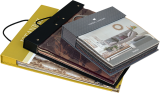
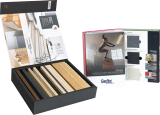





sample books
 packaging
 magnetic boxes
 drawer boxes
 rigid box with lid
 cuffed boxes
 slipcase boxes
 suitcases and chests
 clamshell boxes
 oblique boxes
 round tube boxes
 flat-folding boxes
 folder BOX
 decorative boxes
 chocolate boxes
 cosmetics boxes
 gift boxes
 alcohol and wine boxes
 boxes for CBD
 boxes with a window
 eco friendly boxes
 jewellery boxes
 binders
 folders
 clipboards
 stands
- premium products
 eco products
- other
Preventing UV Discoloration: How to Protect Material Samples Inside Closed Sample Books
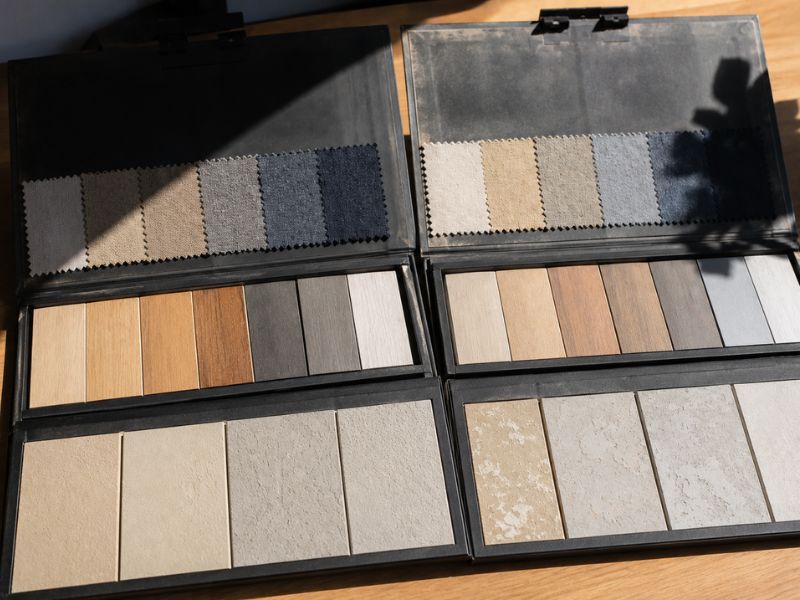
A faded sample book, stripped of its vibrant colors, doesn't sell – on the contrary, it actively generates losses: incorrect customer orders, complaints, re-production costs, and reputational damage. Sample degradation affects all kinds of fabrics, laminates, wood elements, plasters, and ceramic tiles enclosed daily within presentation systems. Understanding the mechanism behind this process is the first step toward permanently eliminating the problem.
The Enemy Within – A Chemical Trap Inside Traditional Sample Folders
Intuition suggests that the sun is the culprit. In reality, destructive processes begin from within, even before the product goes on display. Cheap materials used in the mass production of promotional systems enter into harsh chemical reactions with the exhibits placed inside them:
- Acidic papers (pH < 7) emit volatile organic acids that attack fabric fibers and laminate coatings – resulting in yellowing and brittleness of samples visible after just a few months.
- Solvent-based adhesives release aggressive chemicals that migrate into the samples, breaking down dyes and altering the surface structure of wood and plastics.
Oxidation proceeds slowly but irreversibly. By the time a product manager realizes that the material palette no longer reflects the current offer – financial losses may already be a reality.
UV Radiation – A Silent Accelerator of Material Degradation in Sample Books
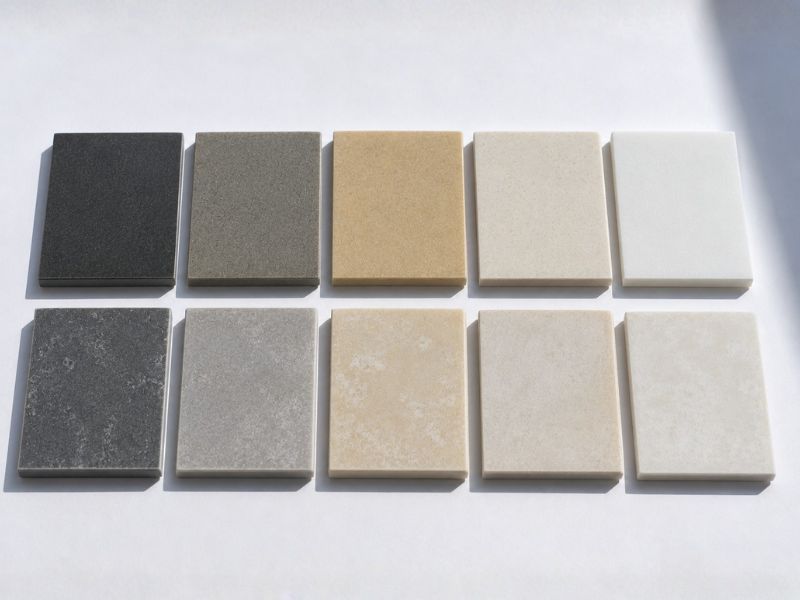
Even a closed promotional sample book is not fully protected from the sun unless its design has been engineered to be completely airtight. UV radiation is the main catalyst for oxidation – it reacts with dye chromophores and initiates chain reactions of photodegradation in polymers, resins, and surface finishes.
The effect? Fabrics lose intensity, systems displaying flooring and baseboards change their veneer shade, and plaster surfaces fade. Each of these changes drastically lowers the perceived value of the product in the eyes of the customer and disrupts the color reference. This is a direct path to orders that do not match the actual appearance of the finished raw material.
Three Pillars of Protecting Modern Custom Sample Books – Neutral Materials, Certified Chemistry, and Airtight Design
Production of presentation systems at a premium level requires simultaneous control over three variables:
- Acid-free paper with neutral pH (pH 7.0–8.5) is the foundation of a safe sample book binding. Neutral pH paper does not emit acids into the interior of the presentation system – fabric, wood, or laminate samples retain their original structure and color for years.
- Certified dispersion adhesives (water-based) contain no organic solvents. They do not react with plastic, metal, or fabric samples – eliminating one of the main sources of chemical degradation in display systems.
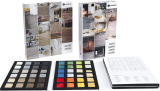
- An airtight design with magnetic closure effectively blocks out UV light and restricts air circulation during storage. The lack of gas exchange inside the system significantly slows down oxidation processes. In the MILO offer, this solution is available, among others, in presentation boxes and swatch books constructed as closed albums.
Losses Invisible on the Sample Book, but Felt in the Budget
Treating a sample book as a cheap, disposable carrier is a costly operational mistake. Any collection for which the presentation system fails to faithfully replicate texture or color generates poor purchasing decisions – both on the distributor's side and for the final customer.
A realistic calculation of losses includes:
- costs of re-producing promotional sample books,
- handling complaints,
- lost sales orders,
- loss of brand trust.
Investing in chemically neutral components pays off as early as the first production cycle of a collection.
Before Your Collection Fades: Order a Professional Sample Book Audit at MILO
Contact us and request an evaluation of your current display systems. Our experts will assess the materials used in terms of pH, adhesive composition, and construction airtightness, and then select safe, chemically neutral components tailored to your products. Modern custom sample books manufactured from the right raw materials not only retain their quality longer – they sell more effectively throughout the entire product lifecycle.
MILO Group
- +48 71 322 14 44
- info@milogroup.eu
- ul. Stawowa 7-9, 55-002 Dobrzykowice - Wrocław, Poland


© Grupa MILO. Wykonanie: 
sample books
- packaging
- magnetic boxes
- drawer boxes
- rigid box with lid
- cuffed boxes
- slipcase boxes
- suitcases and chests
- clamshell boxes
- oblique boxes
- round tube boxes
- flat-folding boxes
- folder BOX
- decorative boxes
- chocolate boxes
- cosmetics boxes
- gift boxes
- alcohol and wine boxes
- boxes for CBD
- boxes with a window
- eco friendly boxes
- jewellery boxes
- binders
- folders
- clipboards
- stands
- premium products
- eco products
- other