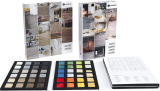
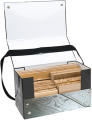

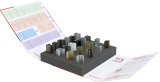
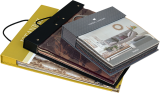
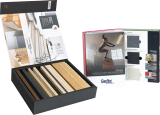








sample books
 packaging
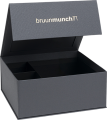 magnetic boxes
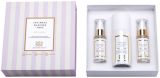 drawer boxes
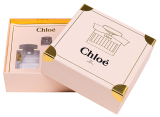 rigid box with lid
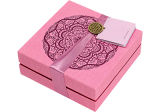 cuffed boxes
 slipcase boxes
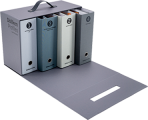 suitcases and chests
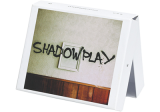 clamshell boxes
 oblique boxes
 round tube boxes
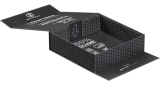 flat-folding boxes
 folder BOX
 decorative boxes
 chocolate boxes
 cosmetics boxes
 gift boxes
 alcohol and wine boxes
 boxes for CBD
 boxes with a window
 eco friendly boxes
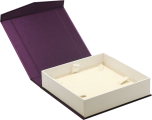 jewellery boxes
 binders
 folders
 clipboards
 stands
- premium products
 eco products
- other
Why cheap product boxes damage your brand image?
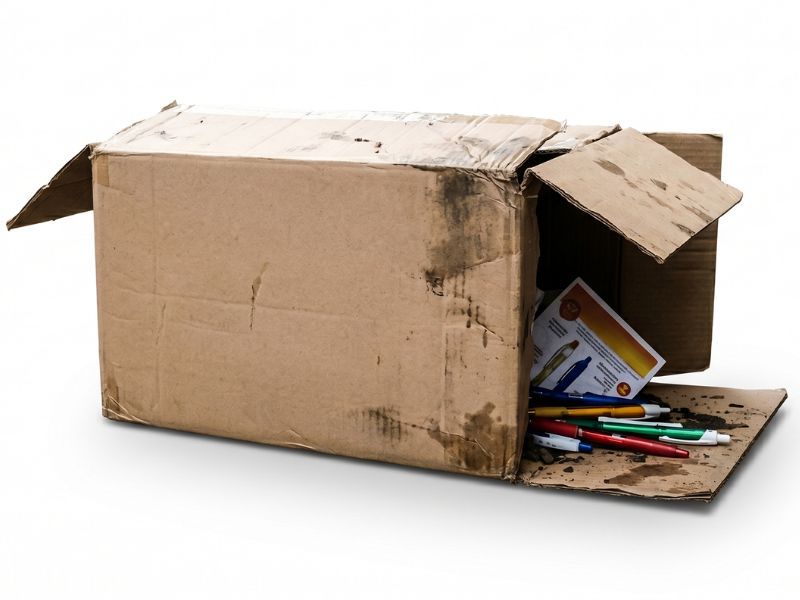
Today, packaging is an investment in your margin. The moment a customer holds a box in their hands—even before they see the product — they form a first and often lasting opinion about its value. Poor packaging quality is the first red flag for a premium customer; a signal that is very rarely reversible.
Cognitive shock – when product and packaging speak different languages
Imagine a £100 perfume packed in a flimsy box that can barely support its own weight. In consumer psychology, this dissonance is called cognitive shock — the recipient's brain immediately registers a contradiction between the declared value of the product and the physical signal sent by the packaging.
Perceived value is formed within seconds of contact with the product. If the packaging weight is too low, or the wrapping is uneven or peeling, the customer subconsciously devalues the product before even opening the box. Luxury must be literally felt — in the stiffness, weight, and precision of craftsmanship.
Unreliable closures – a small flaw, a major image problem
One of the most common mistakes when choosing budget packaging is disregarding the quality of closures. Falling magnets, leaking lids, and cracking edges are both operational and image-related problems. At MILO Group, we eliminate these risks at the design stage — our magnetic boxes are characterized by the flawless operation of their closures. Thanks to the precise embedding of magnets and rigorous control of component fit, you can be sure that the packaging will maintain its functionality even after repeated use.
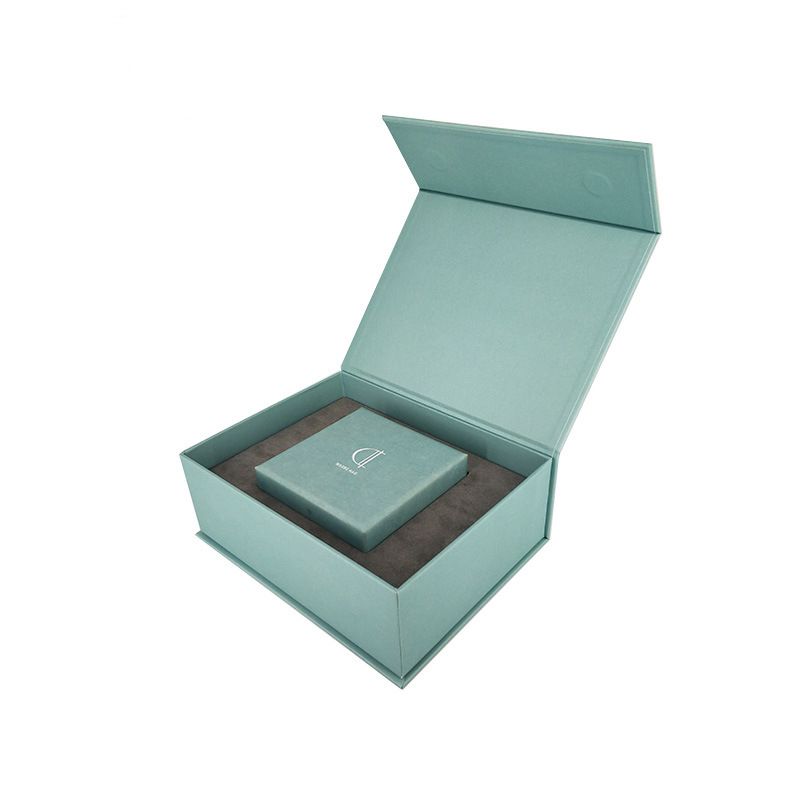
A customer who has to "fix" a lid or look at deforming cardboard remembers that the brand failed to refine the details. In the era of the unboxing experience, when the opening process is shared on social media, the reliability of MILO magnetic boxes becomes your insurance policy. We ensure that every opening is smooth and satisfying because we know that perfect details build lasting customer loyalty.
Margin erosion – how a cheap box costs you more than you think?
This is where the real estimation of potential profits begins. Poorly positioned goods — as a product in poor packaging is perceived — require higher discounts to find a buyer. Margin erosion occurs not because the product is inferior, but because the packaging has lowered its value in the eyes of the distributor and the end customer.
It is estimated that the difference between standard and premium packaging can translate into a sales price that is 10–15% higher without changing the product itself. The apparent saving of a few pennies per packaging unit can therefore cost several pounds in lost margin on every single unit sold.
Mass production vs. an engineering approach to packaging
There is a gulf between mass-produced packaging and that created with a specific brand and product in mind. In an engineering approach, every element is a conscious technical decision:
- stiffness of the bookbinding board matched to the weight and function of the product,
- strength of neodymium magnets ensuring a secure yet elegant closure,
- wrapping precision eliminating bubbles, unglued sections, and uneven edges.
It is these types of details that determine whether packaging strengthens a brand or undermines it. As a manufacturer of promotional boxes, we at MILO execute every order considering these technical parameters. Our range includes magnetic boxes, lid-and-base boxes, drawer boxes, and cuffed boxes — each created with a specific product and brand in mind, not just the unit price.
Elegant and durable packaging as a premium sales tool
Well-designed product packaging does not finish its role at the moment of purchase. It becomes part of the brand experience — the customer keeps it, displays it, and sometimes reuses it. This is extended contact with the logo and visual identity that no advertising campaign can buy.
It is also worth remembering that premium packaging works on several levels simultaneously: it builds distributor trust, facilitates the work of sales representatives, and increases the perceived value of the product on the shelf. All this without changing a single feature of the goods themselves.
One decision that changes the positioning of the entire brand
Choosing packaging is a strategy, not logistics. A cheap box is an active choice to communicate to the customer that details do not matter. In the premium segment, this message is fatal.
If you want your product to be perceived as worth its price, start with what the customer holds in their hands first. Contact us, and together we will design a setting that truly increases the value of your product and turns every unboxing into an experience the customer will remember.
MILO Group
- +48 71 322 14 44
- info@milogroup.eu
- ul. Stawowa 7-9, 55-002 Dobrzykowice - Wrocław, Poland


© Grupa MILO. Wykonanie: 
sample books
- packaging
- magnetic boxes
- drawer boxes
- rigid box with lid
- cuffed boxes
- slipcase boxes
- suitcases and chests
- clamshell boxes
- oblique boxes
- round tube boxes
- flat-folding boxes
- folder BOX
- decorative boxes
- chocolate boxes
- cosmetics boxes
- gift boxes
- alcohol and wine boxes
- boxes for CBD
- boxes with a window
- eco friendly boxes
- jewellery boxes
- binders
- folders
- clipboards
- stands
- premium products
- eco products
- other